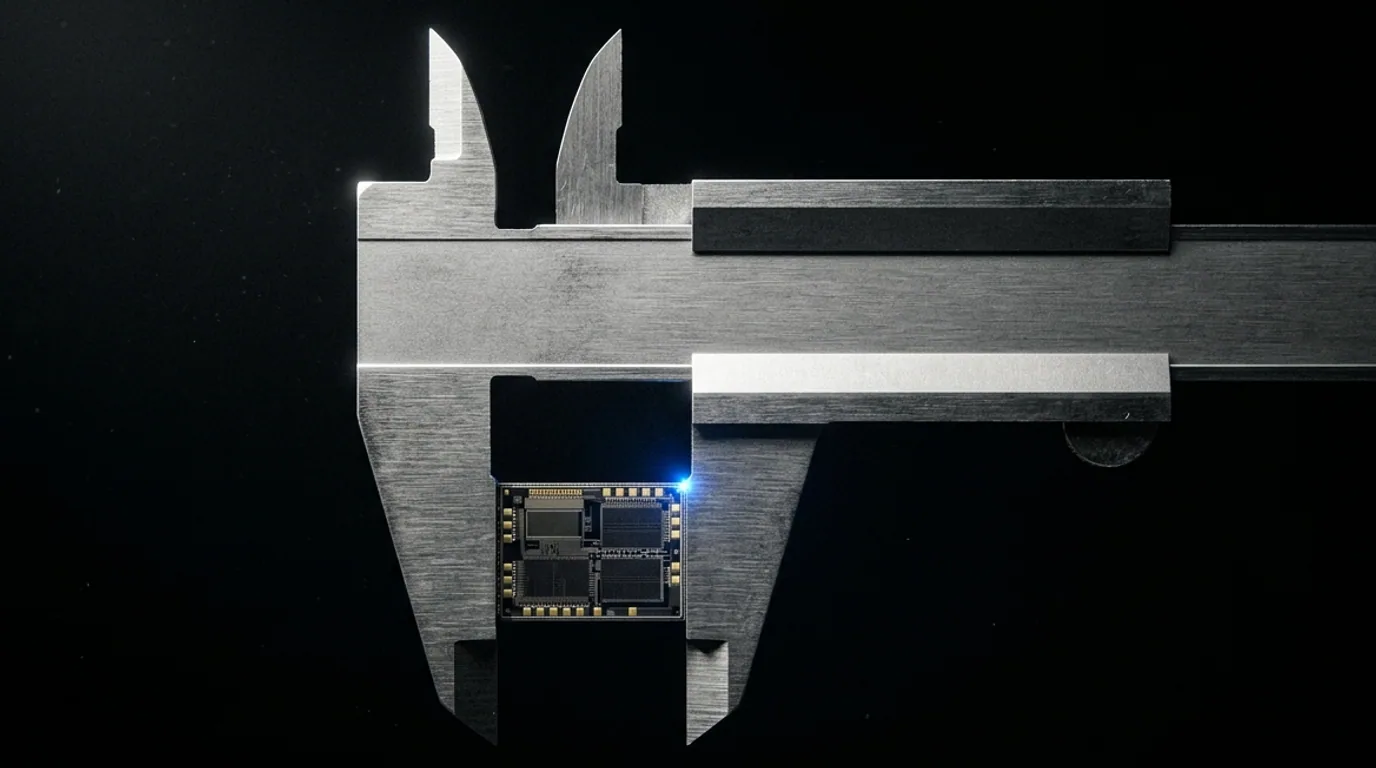
The Secondary GPU Market in 2026
The secondary GPU market in 2026 is larger than ever. H100 units that entered service in late 2023 are hitting the resale channel as hyperscalers and neoclouds refresh to H200 and B200. An estimated 400,000 H100 GPUs will trade on the secondary market in 2026, representing roughly $12-15 billion in transaction volume at current prices.
The market is bifurcated. High-quality units from tier-1 data center operators with full maintenance records command a 20-30% premium over units from crypto-mining or less scrupulous sources. The gap between advertised and actual condition is the primary source of buyer regret.
Current Pricing Landscape
Used H100 SXM prices range from $12,000 to $18,000 per GPU depending on remaining useful life, warranty transferability, and provenance. H200 SXM units, newer to the secondary channel, trade at $22,000 to $28,000. B200 SXM secondary supply is minimal in mid-2026, with most units still under original lease or financing agreements.
The depreciation curve is steepest in the first 12 months. H100 units lose roughly 35-45% of their original $30,000 MSRP in year one, then stabilize at 5-8% annual depreciation. H200 units, launched at roughly $35,000, show similar trajectory. B200 depreciation data is still sparse but early trades suggest 50%+ first-year depreciation if secondary supply opens.
| GPU Model | New MSRP | Used Price Range (2026) |
|---|---|---|
| H100 SXM | $30,000 | $12,000 – $18,000 |
| H200 SXM | $35,000 | $22,000 – $28,000 |
| B200 SXM | $40,000 | $30,000 – $35,000 (rare) |
| A100 SXM | $15,000 | $4,000 – $6,500 |
| L40S | $12,000 | $6,000 – $8,500 |
Physical and Functional Inspection Checklist
Never buy data center GPUs sight unseen without a documented burn-in test. Request the seller run a 72-hour stress test using `nvidia-smi` torture monitoring and GPU burn tools. Key metrics to capture: maximum temperature under load, thermal throttling events, memory ECC error counts, and PCIe link stability at Gen5 speeds.
Check the GPU's VBIOS version against NVIDIA's latest. Some secondary units ship with modified VBIOS from crypto-mining operations that disable display outputs or use aggressive fan curves that reduce lifespan. A factory VBIOS flash is possible but requires physical access and NVIDIA tools. Verify the GPU's serial number against NVIDIA's warranty portal before payment.
Warranty Transfer and Coverage
NVIDIA data center GPU warranties are non-transferable in most regions. The original purchaser retains warranty rights, and secondary buyers rely on the seller's willingness to facilitate RMA. This is the single largest risk factor. Without transferable warranty coverage, a failed GPU represents a total loss of purchase price.
Some third-party warranty providers now offer coverage for secondary GPU purchases at roughly 8-12% of purchase price per year. Compare this to the expected failure rate: HBM3e memory has a demonstrated AFR of 0.3-0.5% in the first three years, rising to 1.2-2% in years four to five. For clusters of 100+ GPUs, the math favors self-insuring the risk rather than buying extended warranty coverage.
Provenance and Chain of Custody
The provenance of a used GPU significantly impacts its remaining useful life. GPUs from hyperscale data centers operated at 20-25C ambient with strict power capping and regular preventive maintenance typically retain 90%+ of their original performance capability after three years. GPUs from crypto-mining operations run at 60-70C continuously with high fan duty cycles may show 15-25% performance degradation due to capacitor aging.
Request the following documentation from any secondary seller: original purchase invoice or lease agreement, data center exit inspection report, NVIDIA RMA history (if any), and operational logs showing power draw and temperature for the last 90 days of operation. Sellers who cannot or will not provide these documents should be treated as high-risk counterparties.
When Used GPUs Make Sense
For inference workloads on models under 70B parameters, used H100 GPUs at $12,000-15,000 represent an exceptional value proposition. At these prices, the per-GPU cost of inference is roughly $0.80-1.20/GPU/hr amortized over 36 months, compared to $2.50-3.50/GPU/hr on the spot market. The 3-year TCO advantage is approximately 55-65%.
For training workloads or inference on models over 100B parameters, used H200 or B200 units are preferable despite the higher upfront cost. The additional HBM capacity directly enables larger batch sizes and reduces the need for tensor parallelism, which has a direct impact on training throughput and inference latency that outweighs the acquisition cost difference.
Our Recommendation
Buying used GPUs on the secondary market in 2026 can save 40-60% versus new, but only if you do the diligence. Prioritize units from tier-1 data center operators with documented provenance and operational history. Budget 5-10% of the purchase price for third-party inspection and burn-in testing.
For teams that need GPU capacity quickly without the procurement lead times of new hardware, ClusterBid also offers access to verified secondary inventory with documented burn-in results and optional warranty coverage. The premium over direct secondary purchase is typically 5-8%, but eliminates the provenance risk entirely.