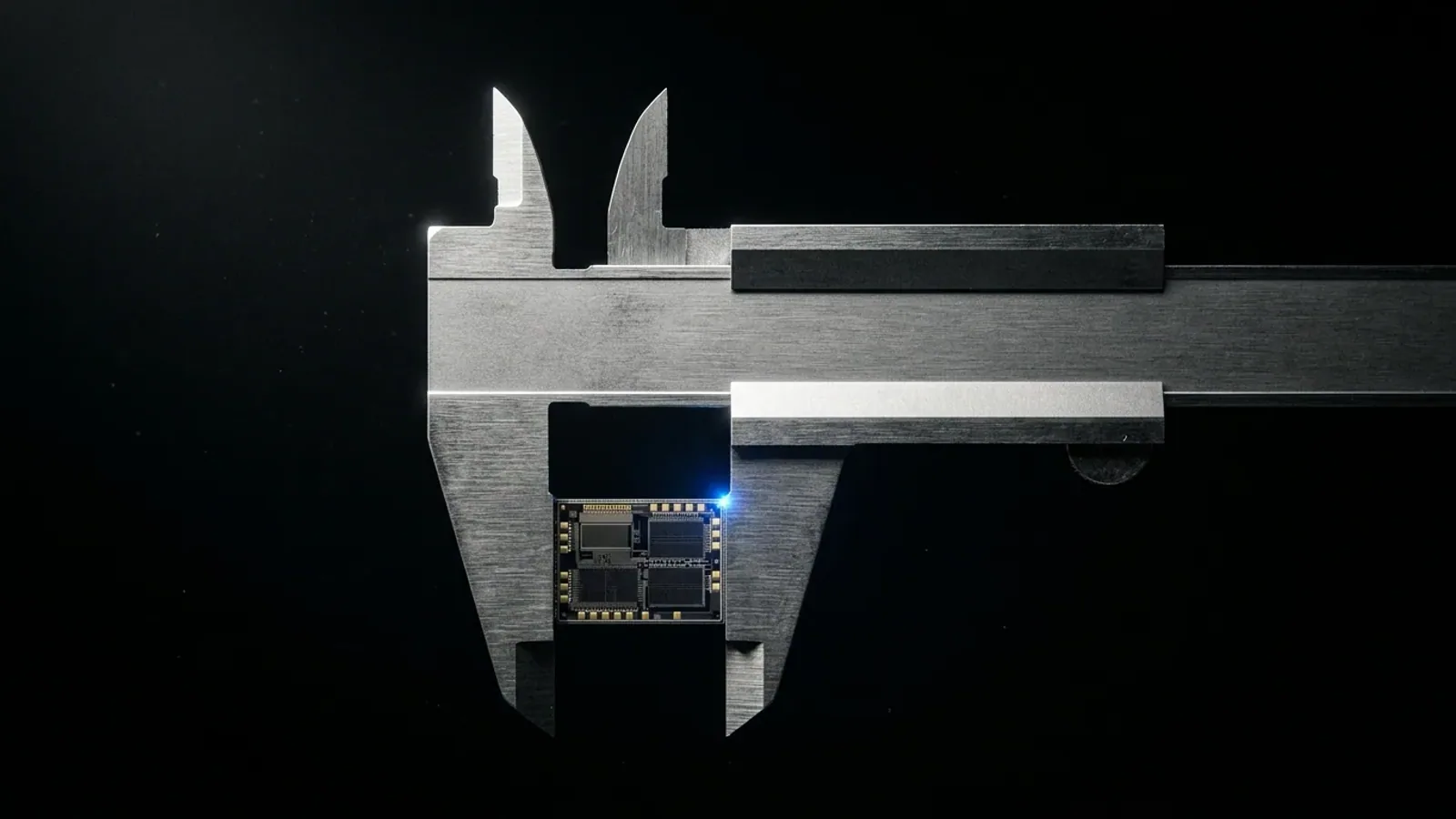
What Rubin R100 Actually Is (And Is Not)
Rubin is NVIDIA's post-Blackwell data center GPU platform, pairing the R100 compute die with HBM4 memory and NVLink 6 fabric. If you are running inference at scale today, the short version is this: Rubin is a memory-bandwidth and scale-up story first, a raw-FLOPS story second.
What it is not: a drop-in reason to freeze all Blackwell purchases. Every Rubin transition in history (Ampere to Hopper, Hopper to Blackwell) shipped late relative to the rumor cycle, and early allocations went to hyperscalers first. Plan for that pattern to repeat.
R100 vs B200: Where the Gains Really Come From
Public disclosures point to HBM4 delivering a step increase in sustained memory bandwidth over HBM3e, plus NVLink 6 widening the scale-up domain. For memory-bound inference (long context, large batch), that bandwidth is the whole game. Expect the biggest wins on 70B+ serving, not on small-batch latency.
For training, the honest answer is narrower. If your models fit comfortably on B200 with good MFU, Rubin buys you headroom, not a revolution. The teams who feel Rubin first will be the ones hitting memory walls today: 1M-token context, multimodal fusion, dense MoE serving.
| Platform | Memory | Scale-up fabric |
|---|---|---|
| H200 SXM | 141 GB HBM3e | NVLink 4, 900 GB/s |
| B200 NVL | 192 GB HBM3e | NVLink 5, 1.8 TB/s |
| R100 NVL | HBM4, higher bandwidth | NVLink 6, wider domain |
When Can You Actually Rent One?
Treat any Rubin availability date as the start of hyperscaler allocation, not the start of open rental supply. Realistic sequence: limited hyperscaler previews, then neocloud allocations with long lead times, then broad spot availability 2 to 3 quarters later.
We saw this exact movie with B200: announced availability and rentable-at-scale availability were different quarters. If your roadmap needs Rubin capacity in H1, you do not have a Rubin plan. You have a hope. Build the Blackwell bridge instead.
The Buy-Now vs Wait Decision Framework
Here is the rule we give sourcing teams: if your workload runs profitably on H200 or B200 today, buy the compute you need now on flexible terms and keep Rubin as an option, not a dependency. Reserved discounts on current-gen hardware beat waiting six months with idle engineers.
Wait for Rubin only when you can name the bottleneck it removes: KV cache walls at long context, scale-up domain limits past 72 GPUs, or per-token cost floors you cannot hit on HBM3e. Vague future-proofing is how teams overpay for patience.
What Will Rubin Cost Per Hour?
Early pricing will carry a scarcity premium, exactly as B200 did at launch. Expect first rental listings well above steady-state, compressing as supply broadens. Pricing below reflects market conditions at time of writing and can fluctuate with GPU availability.
The number that matters is not $/GPU/hr but $/M tokens at your batch size and context length. On memory-bound serving, Rubin can win on unit economics even at a higher hourly rate. Insist vendors quote both, or run the math yourself before signing.
Your Sourcing Playbook for the Next Two Quarters
Lock flexible Blackwell capacity now: short reserves plus spot for burst, with termination options tied to Rubin availability. That keeps you shipping while preserving the right to migrate the moment rented Rubin supply is real.
When you are ready to compare live Rubin vs Blackwell pricing side by side, ClusterBid inventory is the fastest way to see what is actually rentable this week, not what a roadmap slide promised. Browse current listings and set alerts for R100 the day it lands.