SECONDARY MARKET PRICING OVERVIEW
The H100 secondary market has matured dramatically in 2026. H100 SXM5 80GB cards that commanded $30,000-$40,000 in 2024 now trade at $6,000-$15,000 depending on usage hours, warranty status, and source. H100 PCIe cards are cheaper at $4,500-$9,000. H200 SXM 141GB cards have limited supply on the secondary market, trading at $15,000-$22,000, as most are still under active lease contracts.
B200 GPUs have essentially no secondary market in 2026-B200 shipments began in late 2025 and enterprise leases prevent resale. B200 secondary availability is projected for late 2027 when early adopters upgrade to B300. Currently, the active secondary market covers H100 SXM5 and PCIe, A100 80GB ($2,000-$4,500), and limited H200 units.
SOURCE EVALUATION AND DUE DILIGENCE
Secondary GPU sources include: hyperscaler decommissions (AWS, GCP, Azure offloading excess H100 capacity), crypto mining liquidations (primarily A100 and H100 PCIe), AI startup failures (the most common source in 2026 as funding consolidates), and hardware lease returns. Each source carries different risk profiles. Hyperscaler decommissions are the safest: GPUs run in controlled environments with regular maintenance for 12-24 months.
Due diligence checklist: request GPU usage logs showing accumulated runtime, thermal history (maximum junction temperature recorded), and error logs (correctable and uncorrectable ECC errors). Require seller-provided HBM memory test results from nvidia-smi diagnostics, PCIe link training verification, and visual inspection photos including serial numbers. Avoid sellers unwilling to provide diagnostic outputs.
PHYSICAL INSPECTION AND TESTING PROTOCOL
Before purchase, conduct a standardized testing protocol. Run nvidia-smi diagnostics (nvidia-smi -q -d MEMORY) for 24-hour burn-in test covering HBM memory integrity. Check for ECC error counts: zero uncorrectable errors is mandatory, correctable errors below 100 in 24 hours indicate healthy memory. Monitor reported clock speeds under sustained load (base clock within 5% of spec).
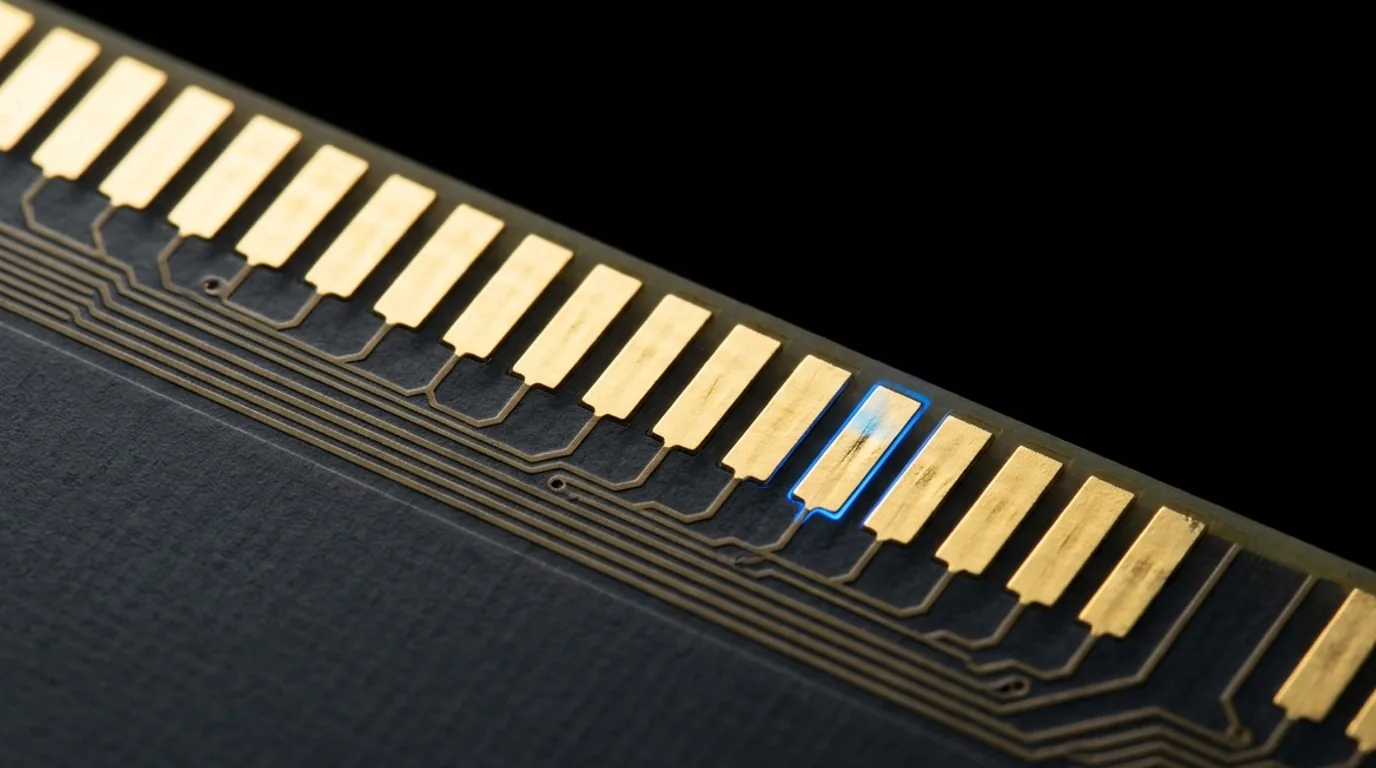
Physical inspection: check for capacitor damage (bulging or missing SMD capacitors around GPU package), PCIe edge connector wear (gold fingers should show even wear, no exposed copper), thermal pad degradation (replace if pads appear dry or cracked), and fan bearing noise on PCIe cards (grinding or clicking indicates imminent failure). SXM modules have no fans but require inspection of the baseboard connector for bent pins.
WARRANTY AND SUPPORT TRANSFER
NVIDIA's warranty policy for used GPUs varies by card type. H100 SXM5 cards originally sold to OEMs (Dell, HPE, Supermicro) carry the OEM warranty, typically 3 years from original purchase date. NVIDIA does not provide direct warranty support for secondary market purchases. OEM warranty transfers: Dell transfers warranty to end users, HPE charges 15-20% of card value for warranty transfer, Supermicro offers no transfer.
Third-party warranty providers (ServiceExpress, Park Place Technologies) offer coverage for used GPU clusters at 8-15% of hardware value annually. Coverage includes next-business-day replacement, HBM memory failure (the most common GPU failure mode after 3+ years), and technical support for compatibility issues. Factor warranty cost into effective purchase price: a $10,000 H100 with $1,500 annual warranty costs effectively costs $13,000 over 2 years.
INTEGRATION AND DEPLOYMENT COSTS
Integration costs for used GPUs can equal 20-40% of purchase price. Used H100 SXM5 cards require compatible server platforms: NVIDIA HGX baseboards (DGX H100, Supermicro ARS series) that accept SXM modules. A used HGX baseboard costs $3,000-$6,000. NVLink Switch modules for multi-GPU connectivity add $8,000-$15,000. Cooling infrastructure must support 700W per GPU, requiring liquid cooling or high-density air cooling.
Labor costs for GPU cluster integration: 20-40 hours per node for racking, cabling, firmware updates, and validation at $150-$250/hr. Software setup: NVIDIA driver installation, CUDA toolkit compatibility verification, container runtime setup, and cluster monitoring deployment adds 40-80 hours for a 16-GPU cluster. Total integration cost: $8,000-$20,000 per 16 GPU nodes.
RISK MITIGATION STRATEGIES
The most effective risk mitigation is purchasing GPUs through established brokers (Server Supply, L9 Networks, XENON Systems) rather than direct from sellers. Brokers provide: escrow services (payment held until GPU passes diagnostics), 30-90 day warranties, compatibility verification, and consolidated shipping. Broker markup is 10-20% over direct seller pricing, justified by risk reduction.
Portfolio diversification strategy: purchase 20% of required GPUs new for baseline reliability, 60% used through brokers with 90-day warranties, and 20% for parts price via direct seller at maximum discount. This blend provides 95%+ effective uptime at 50-65% discount versus all-new pricing. Maintain 2-4 spare GPUs per 16-GPU cluster for hot-swap replacement during failures.